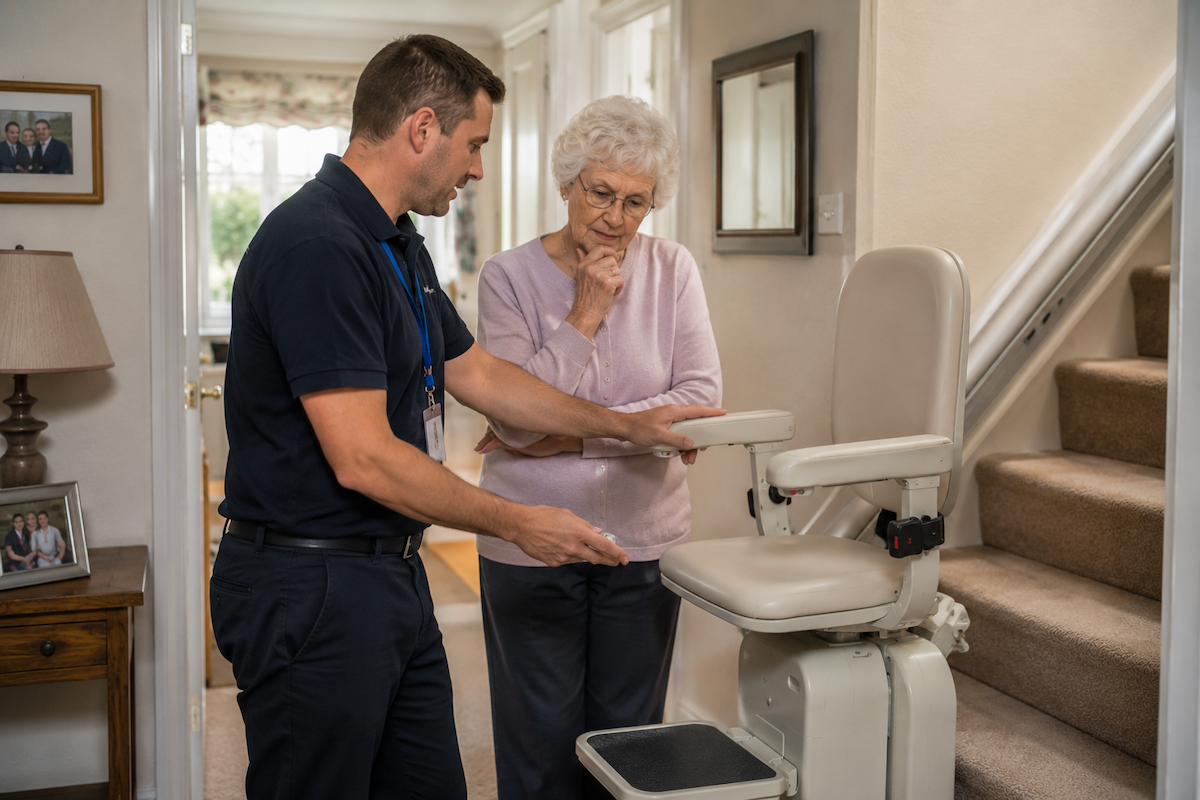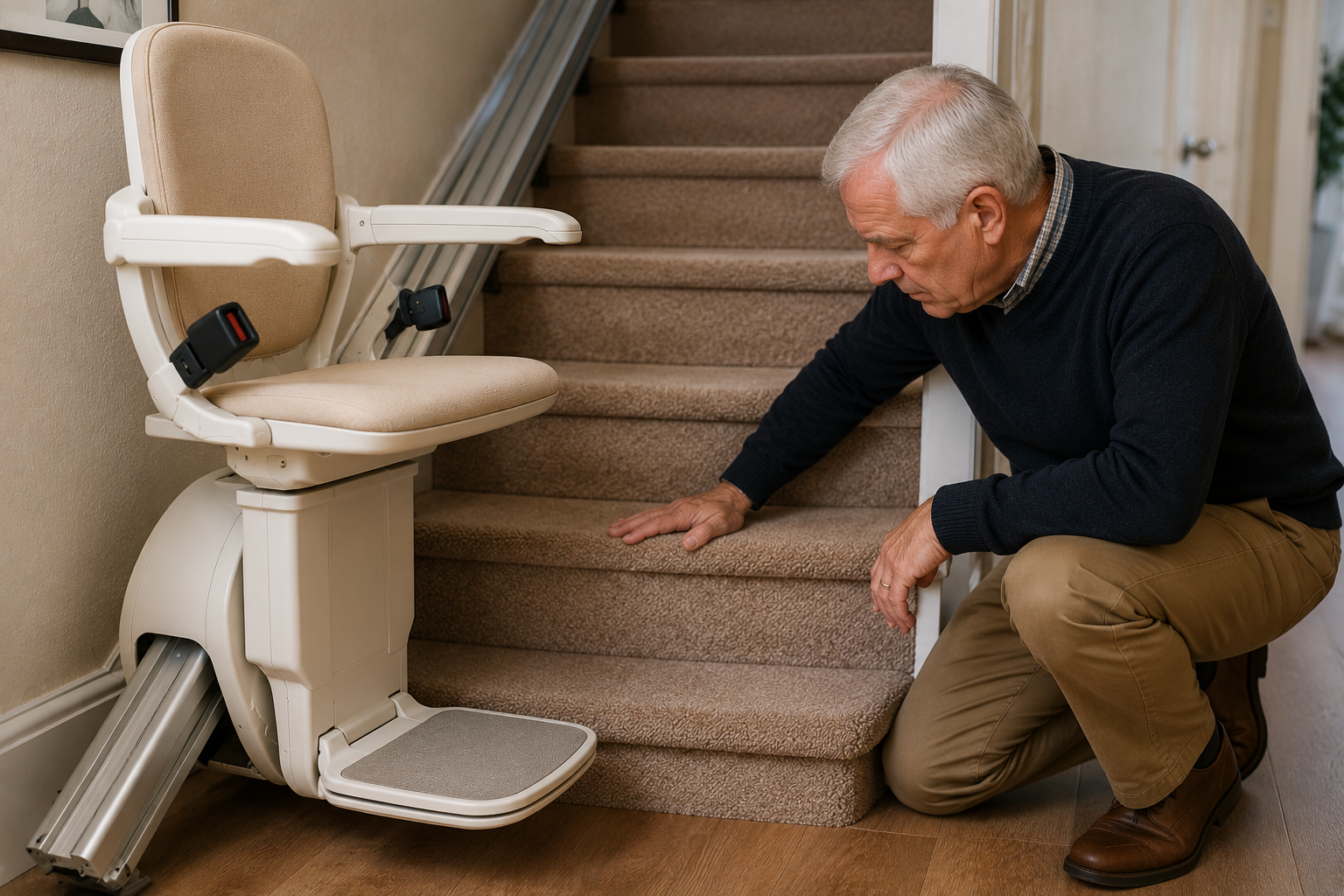
A stairlift is one of those purchases that can make an immediate, meaningful difference to daily life – but the cost puts many people off before they’ve even looked into it properly. What’s less well known is that, depending on your circumstances, you may be able to get the cost covered in full, or at least significantly reduced, through government funding.
Here’s what’s available in 2026, how it works, and what to expect from the process.
The Disabled Facilities Grant
The Disabled Facilities Grant – usually called the DFG – is the main government grant for home adaptations including stairlifts. It’s administered by local councils and can cover up to £30,000 in England. Wales offers up to £36,000, while Scotland and Northern Ireland operate similar schemes with their own rules and caps. StairliftsforlessSWIFT Lifts
Around 60,000 people receive adaptations funding each year, and the government allocated £761 million for 2025/26, including a £50 million uplift announced in January 2026. So despite its relatively low profile, this is a well-funded and widely used scheme. Stairliftsforless
The grant is designed to help people with a disability or long-term mobility condition live safely and independently in their own home. Stairlifts are one of the most commonly approved adaptations.
Who Can Apply?
To be eligible, you must be disabled – and the grant defines this broadly. It includes physical disabilities affecting mobility, learning disabilities, mental health conditions that affect daily living, and progressive conditions where your situation is likely to worsen over time. There’s no requirement to be registered as disabled or to be over a certain age. SWIFT Lifts
You can apply for a Disabled Facilities Grant whether you own or rent your property, though tenants usually need their landlord’s permission to carry out the adaptations. Age UK
Is It Means-Tested?
For adults, yes. The council will take into account your household income and any savings over £6,000 before making a decision. You may not qualify for a grant at all, or any grant offered may not cover the full cost, meaning you may need to contribute towards it yourself. Stairlift Helper
Grants for disabled children are not means-tested. SWIFT Lifts
The outcome varies considerably depending on your situation. Someone on a low income with minimal savings typically receives full grant coverage. A homeowner with a workplace pension, savings above £16,000, and no means-tested benefits might be told to fund the full cost themselves. A couple with moderate income might face a partial contribution toward a curved stairlift installation. SWIFT Lifts
It’s worth applying regardless, as many people are pleasantly surprised by the outcome.
How Do You Apply?
The process starts with an occupational therapist assessment, which is free through the NHS or social services. The OT’s report is the most important document in the application – it confirms the need and recommends the appropriate adaptation. Stairlift Guru
From there, you apply through your local council. Most councils have a dedicated DFG team. Once the application is submitted, the council carries out a means assessment, and if approved, pays the installer directly – the applicant rarely handles the money themselves. Stairlift Guru
Timescales vary. Some applications move through in a matter of weeks, while others take months depending on the local backlog and how complete the paperwork is. The most important rule is not to start work before receiving written approval – beginning installation early can make the project ineligible for funding entirely. DHG Services
What About Scotland?
In Scotland, you can apply for a mandatory grant under the Scheme of Assistance from your local authority. If awarded, it should pay for a minimum of 80% of the cost of the stairlift installation, and councils have the discretion to award more – up to 100% in some cases, particularly if you’re in receipt of specific benefits. Stairlift Helper
Are There Other Sources of Funding?
If the DFG doesn’t cover the full cost, or if you don’t qualify, there are other routes worth exploring.
The Barchester Healthcare Foundation offers grants for older people and adults with a disability, ranging from £100 to £5,000. Applications need to come through a professional or community contact rather than directly from the individual. Stairliftsforless
Turn2us runs an online Grants Search tool that matches you to charitable funds based on your circumstances. Age UK can also signpost you to relevant local and national support. Stairliftsforless
Even if you’re not receiving disability benefits, some councils offer discretionary grants or home improvement support for those with mobility needs – especially where the DFG isn’t sufficient. Availability varies by area, so it’s worth checking with your local council’s housing or social services team. Stairlift Costs
VAT Relief
Separate to grants, it’s worth knowing that stairlifts installed for a disabled person may qualify for zero-rate VAT under HMRC Notice 701/7. Your supplier will confirm VAT eligibility at the point of quotation. On a stairlift costing £2,300, that saving is around £380 – not insignificant. Stairlift Costs
A Practical Note on Timing
If a stairlift is needed urgently – perhaps following a fall or a hospital discharge – it’s worth being upfront with the council about the level of risk. Some councils operate fast-track processes for urgent cases, and it may be possible to arrange interim measures such as temporary rails or downstairs living arrangements while the full application is processed. DHG Services
Start With a Free Survey
If you’re unsure whether you’d qualify, or you simply want to understand your options before approaching the council, a free home survey is a good first step. We can advise on the type of stairlift that suits your staircase, give you a clear idea of costs, and point you in the right direction on funding.